
Leave work without replaying sessions in your head.
A small experiential group for helping professionals
Helping the Helper:
Reset & Release
A place to put some of the weight down.
A highly experiential small group intensive for therapists and other helping professionals who are starting to notice the impact of their work

The impact of the work
Understanding trauma does not protect us from the impact of the work
You spend your days helping other people carry impossible things.
You stay present, attuned, and regulated. Then you go home, where people still need you.
Over time, something begins to shift. Certain clients feel heavier before they even walk through the door. You replay sessions on the drive home. You notice you have less patience at home, or less curiosity at work.
You still love your work. You’re just… heavier than you used to.
Helping professionals often believe they’ve adapted to the emotional demands of their work. In many ways, we do expand our capacity to hold pain—but we are not immune to its effects.
Human nervous systems are built for connection. Repeated exposure to fear, grief, trauma, and loss leaves an imprint, whether we notice it or not.
If those experiences aren’t processed, we slowly begin carrying things that were never ours to keep.
IF NOTHING CHANGES
Emotional fatigue rarely appears overnight.
Small changes are easy to explain away. None of this means you’re in the wrong profession. It usually means you have been carrying too much for too long.
- 01Hoping for a cancellationYou notice relief first, and guilt just after it.
- 02Bracing before the sessionYour body knows a difficult client is coming before your mind catches up.
- 03Taking the work homeSessions continue in your mind long after the day has ended.
- 04Feeling emotionally flatYou are less curious, more reactive, or quietly numb.
- 05Body starts to protestYou notice headaches, jaw tension or other physical strain.
What if it could be different
WHAT WE ARE WORKING TOWARD
In this highly experiential group intensive, rather than simply talking about burnout, we'll explore how it actually lives in your body, relationships, clinical work and sense of self.
Notice difficult clients without bracing before they arrive.
Feel genuinely curious again.
Show up clear, grounded, and open.
Have enough emotional energy for your own life.
Recognize when you need support before exhaustion takes over.
HOW DO WE GET THERE
Six weeks of careful work. One day to integrate and release.
Schedule a consultation- Week 01
Mapping the weight you are carrying
Begin noticing what has accumulated and how it shows up.
- Week 02
Recognizing burnout patterns
Notice your patterns of emotional fatigue.
- Week 03
The ways we protect ourselves
Recognize where you brace.
- Week 04
Double binds and boundaries in the body
From feeling stuck to embodied boundaries.
- Week 05
Saying no and working with anger
Practice a more embodied relationship with refusal and protective energy.
- Week 06
Burnout, ethical dilemmas, and integration
Returning to alignment.
- Final day
Letting go and moving forward
Final integration day Wintergreen Resort for reflection, integration, and release.
What makes this group different
Less time analyzing.
More time noticing.
Insight matters, but lasting change happens when your nervous system has a different experience.
Intentionally experiential
Exercises rooted in somatic therapy, parts work and trauma-informed practice.
Small, carefully held cohort
6-8 helping professionals. Two facilitators ensure everyone has space, attention, and support
Final integration day
Dedicated time and space to integrate your experience before returning to work.
Begin with a brief conversation about whether this group feels like the right fit
Schedule a screening callMEET GROUP FACILITATORS.
A group like this depends on the people holding it. Our role is to create enough safety, structure, and clinical guidance for meaningful work to unfold, and a space where helping professionals can finally put some of the weight down.
Kate Pozo, LCSW
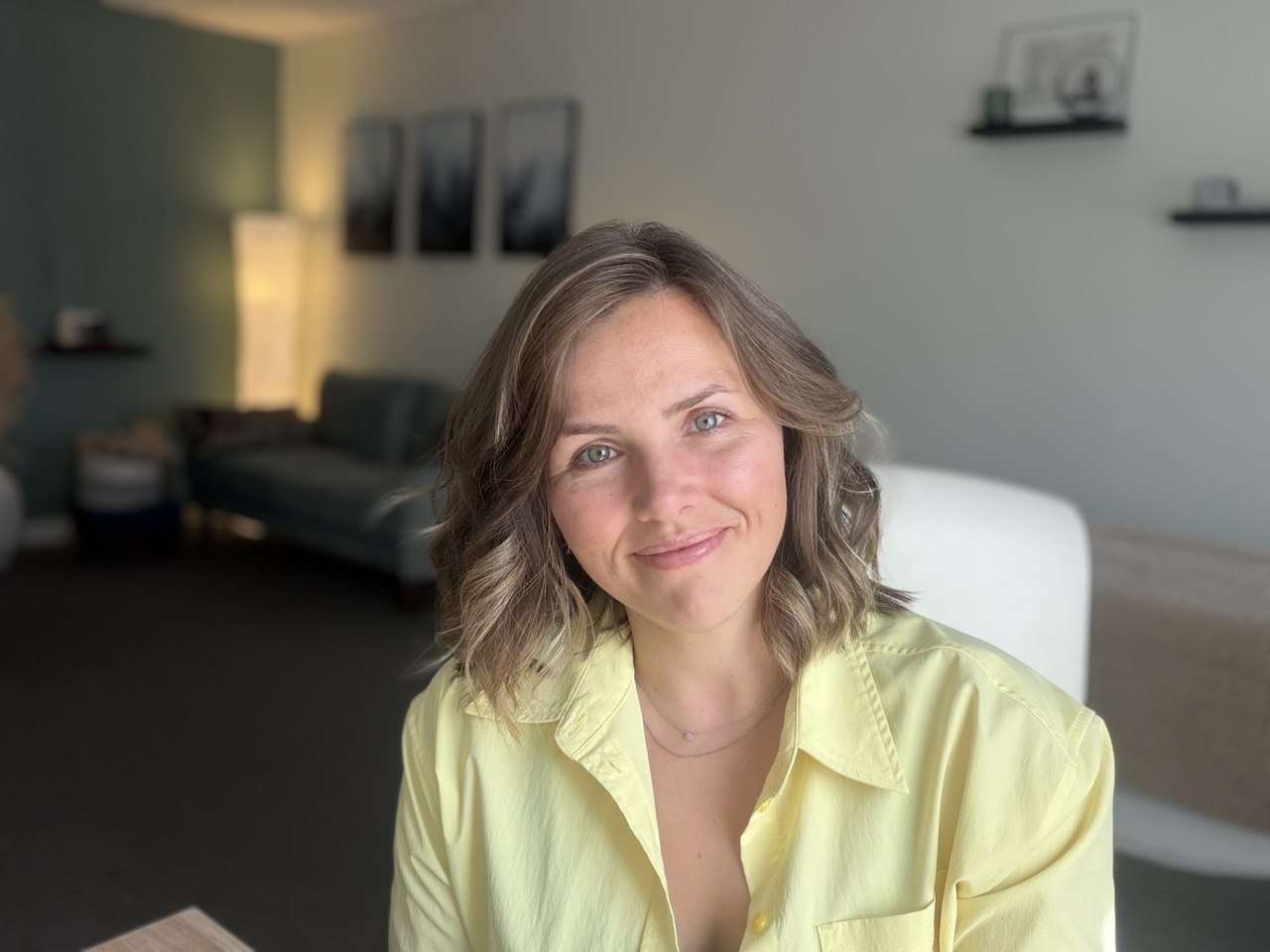
Founder of the program. Trauma therapist specializing in EMDR, somatic psychotherapy, and complex trauma.
Samantha Masone, LPC
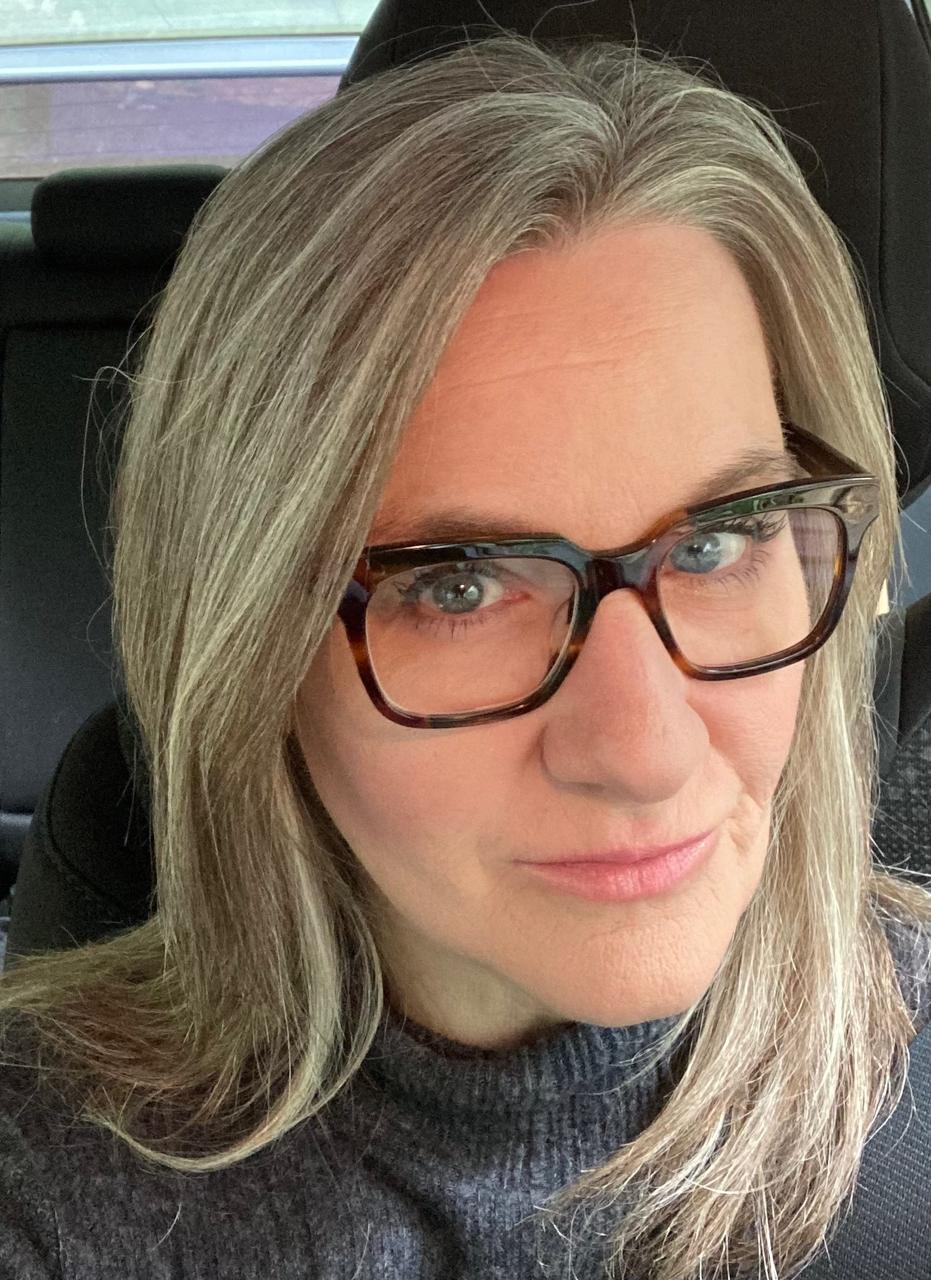
Co-facilitator of women’s group. She brings extensive experience in crisis work and trauma treatment.
Visit pageJaime Marion, LCSW
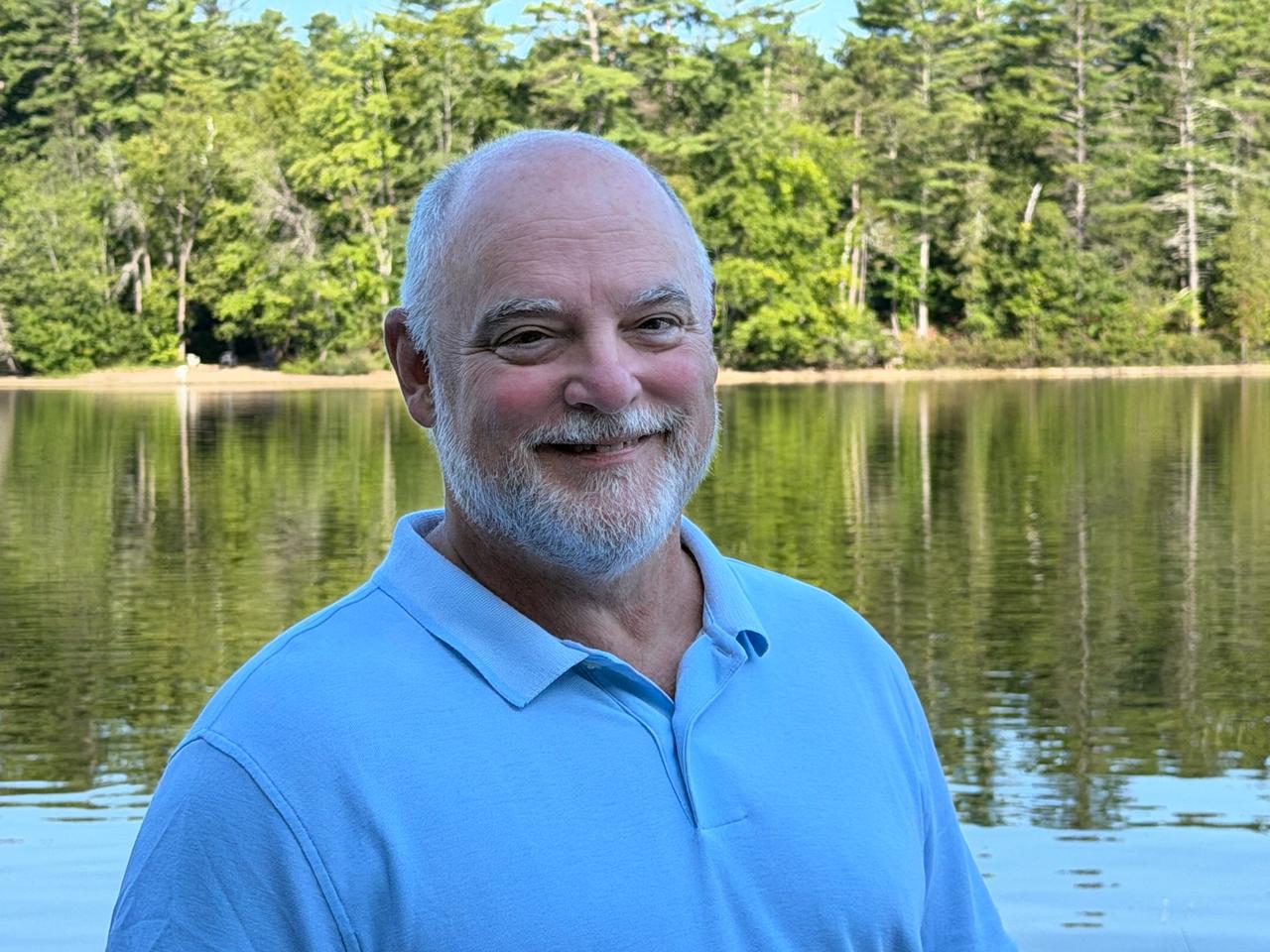
Co-facilitator of men’s group. Brings over a decade of clinical experience in the treatment of trauma, using EMDR, somatic and attachment-focused approaches.
Visit pageLogistics & investment
Program investment.
Payment plans are available. The full balance is due before the first group session.
- 18 hours of experiential group work
- Full-day integration retreat
- Guidance from two experienced trauma therapists
- Small cohort (6–8 participants)
- Light refreshments during group sessions and lunch at the retreat
- Payment plans available
- First two spots $1,299
- Next two spots $1,399
- Final spots $1,499
Payment plans available.
VIP Individual Support
$7004 individual sessions for deeper processing and integration of group experience.
Frequently asked questions
Clear information before you decide.
A brief screening call gives us a chance to answer your questions and make sure the group feels like the right fit.
Will insurance cover it?
No. This type of service is not covered by insurance. Payment plans are available.
How do I know if this group is the right fit for me?
We ask for a brief interview before registration to make sure the group is a good fit. You are welcome to bring any questions to that conversation.
I am already in therapy. Is this still appropriate?
Yes. In fact, we encourage you to continue individual therapy and maintain other supports while engaging in the group process. You may find topics that are useful to explore further in individual work.
What kinds of professionals attend?
The group is designed for helping professionals whose work regularly involves trauma, grief, crisis, or demanding emotional experiences. This may include therapists, healthcare professionals, first responders, victim advocates, and others in helping roles.
What if I do not like speaking in groups?
This is not a process group, and you are not required to participate in every discussion. It is experiential, so sessions include exercises in pairs or groups of three. Participation is encouraged while respecting each person’s nervous system.
Is this supervision?
No. This is not a supervision group and is not designed for case consultation or clinical skill development.
Will this count as CEUs?
Not at this time. This program is designed as an experiential professional development group rather than a continuing education course.
What if I miss a session?
Because the group experience builds over time, consistent attendance is important. One make-up week is built into the schedule if we need to reschedule a session. Missed sessions cannot be made up individually.
What is your cancellation and refund policy?
Because group size is intentionally small and each participant’s place is reserved in advance, payments are non-refundable once the program begins. Please review the Participant Agreement for full details before registering.
I would love to hear from you
Please fill out this form to schedule a free 20-minute consultation or ask any other questions.
Share only what feels necessary to arrange a brief introductory call. You do not need to explain your whole story here.